We’re Building Strong Reputation
One of the greatest weaknesses in these global orphan estimates is that they include only orphans who are currently living in homes.
Our Story
Our History
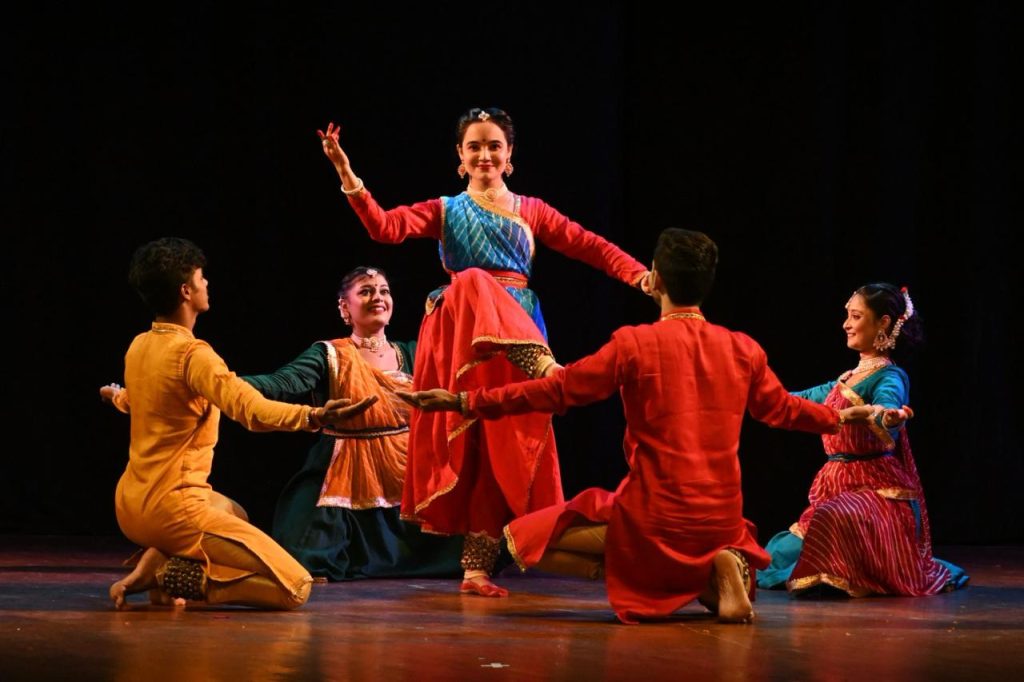
The Sattva Sarita Charitable Seva Trust is a Registered non-profit Charitable Trust in Vadodara, Gujarat (India), dedicated to the preservation and development of the cultural and performing arts of India. Jignisha Vaidya, the managing trustee, has worked in the field of Indian Classical Dance KATHAK for more than 20 years and served as a Dance Teacher and choreographer. Shri Vaibhav Soni, the secretary, has vast experience in the field of Theatre and has been serving as an Assistant Professor in The Faculty of Performing Arts at the Maharaja Sayajirao University of Baroda since 2012.
Both Primary trustees have made remarkable efforts to develop Indian Culture and Art through their creative productions based on Human Emotions, mythology, Social Issues, and religious themes. Many Sociocultural Productions under the Sattva Sarita Charitable Seva Trust have received tremendous response and appreciation for their artistic work. A few of them are “Shiv Shakti” (Premiered at Modhera Sun Temple on 21-1-2023), and “Nritya Ke Rang Tyoharo Ke Sang” at BHS Auditorium, Vadodara on 7-1-2024.
Unveiling Our Vision for Positive Change
SSCST’s mission to conserve performing arts is based on the belief that living in harmony with culture enhances the quality of life, and it is the duty of every citizen of India as laid down in the Constitution of India. The objectives spelled out in the Memorandum of Association constitute SSCST’s Mandate and Vision. Its stated mission to date continues to be:
1. Sensitize the public about the pluralistic cultural legacy of India.
2. Instill a sense of social responsibility towards preserving India’s common performing arts.
3. Protect and preserve India’s classical music, dance, and theatre by undertaking necessary actions and measures.
4. Create Dance Drama and Music based productions based on Sociocultural themes and subjects.
5. Develop interest of the young generation to learn and develop Indian classical performing arts and drama.
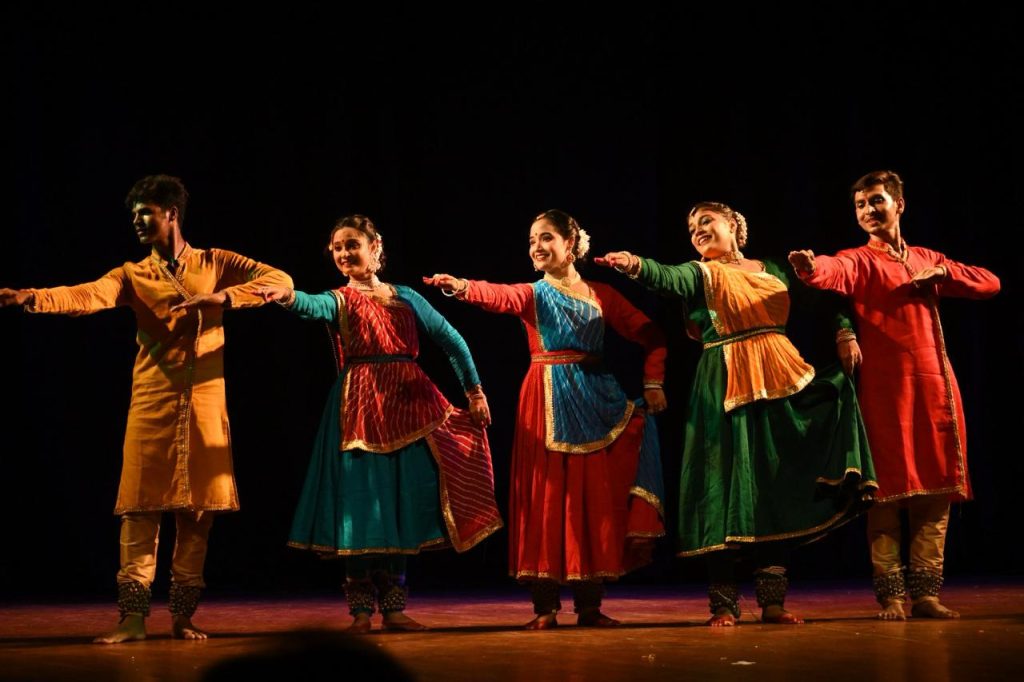
6. Provide support in the field of conservation and preservation of specific forms of art; and encourage artists by developing skills through training programs (like tribal or ancient dance forms or music styles).
7. Undertake response measures during the pandemic situation or natural disasters to provide financial support to artists or aged artists who are unable to earn their living.
8. Foster collaborations, Memoranda of Understanding (MoU), and partnerships with government and other national and international agencies for organizing classical and folk art events and managing training centers.
9. Generate sponsorships for conservation and educational projects.
10. Teach Indian performing arts to privileged children who are interested but not able to pay fees for learning by organizing free workshops and seminars.
To achieve the above-stated mission, at subsequent Visioning Exercises further measures were spelled out:
SSCST must widen and strengthen its base to involve people in caring for our cultural heritage, as outlined in the objectives of the Memorandum of Association of the Society.
SSCST should develop into a highly competent and efficient organization of first recourse in all matters concerning art and culture.
SSCST should put into place an effective system of networking with other like-minded organizations and build a mutual support system.